 English
 Italia
 Tiếng Việt
 Spanish
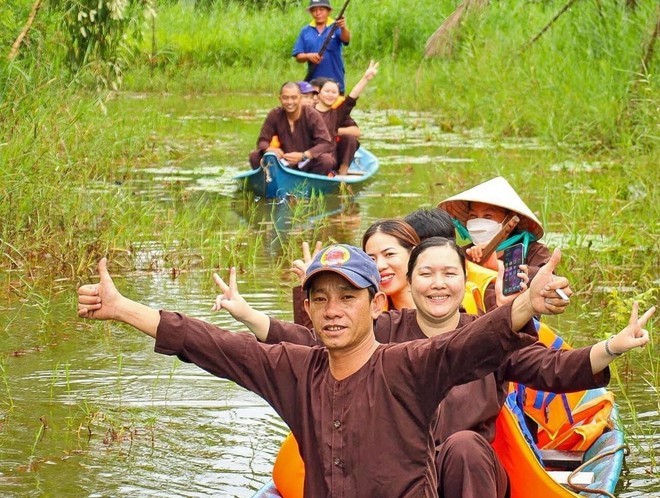
As the year draws to a close, the provinces of the Mekong Delta are ramping up their initiatives to boost their cultural and tourism products, contributing to the national goal of welcoming 25 million international visitors and 150 million domestic tourists by 2025.
Events rooted in local culture
Since the administrative reorganization, the towns and villages of the region have been leveraging their cultural identity and natural assets to attract visitors. In Cà Mau, the Crab Festival, from November 16th to 22nd, will have the theme "Cà Mau Crab: Scent of the Forests, Taste of the Sea." This week of activities, steeped in local cultural identity, will showcase the culture of southern Vietnam while promoting trade around key products, particularly crab, a symbol of the province.
In Can Tho, according to the Vice Chairwoman of the Municipal People's Committee, Ms. Nguyen Thi Ngoc Diep, the 2025 River Culture Festival will take place from December 27, 2025, to January 1, 2026, in Song Hau and Ben Ninh Kieu Parks, as well as in several neighboring areas. The event will feature activities showcasing river culture and orchards, ecotourism, artistic performances, and culinary specialties, all aimed at promoting the heritage of the city and the wider delta region.
In Dong Thap province, the Dong Hoa Hiep Ancient Village Cultural and Tourism Festival will be held from December 3rd to 7th in Cai Be commune (district of the same name), on the banks of the picturesque Tien River. Meanwhile, the Sa Dec Flower and Ornamental Plant Festival (December 27, 2025 to January 4, 2026) will celebrate the floral art of this village, considered the "flower capital of the South."
Varied and interregional circuits
In addition to major events, the Mekong Delta provinces are developing themed tours linking Ho Chi Minh City and the Southeast. The new tour, "Pride of the Southern Borders," launched in late October, invites travelers to explore Dong Thap and An Giang through their historical sites and commercial activities at the border crossings between Vietnam and Cambodia.
Many localities in the delta are now exploiting their expanded tourist area following the administrative reorganization, creating new innovative circuits and linking various sites, thus offering visitors a more complete immersion in local culture and the discovery of varied landscapes.
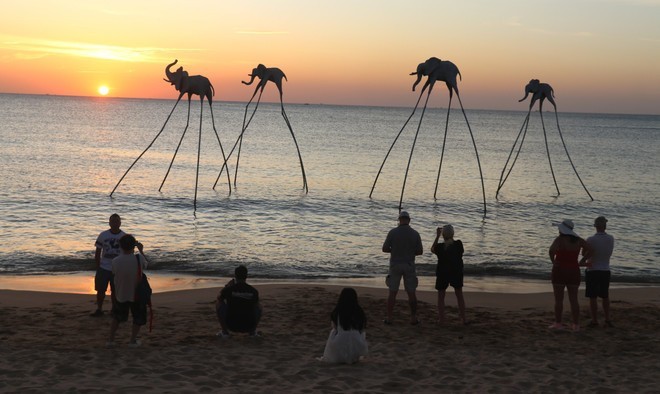
According to Duong Hoang Sum, Director of the Vinh Long Department of Culture, Sports and Tourism, the province now offers tours under the concept of "one route, three destinations," highlighting the strengths of the formerly merged provinces of Tra Vinh, Ben Tre, and Vinh Long. Tra Vinh focuses on cultural tourism, craft villages, and visits to coastal wind farms. Vinh Long offers tourism related to the brick and red pottery villages of Mang Thit, as well as ecotourism stays and homestays in orchards. Ben Tre promotes tourism centered around coconut cultivation, ecotourism, cultural and historical heritage, and beach resorts. The province currently has over 350 accommodation establishments, meeting the demand for extended stays.
According to Nguyen Van Bay, director of the municipal Department of Culture, Sports and Tourism, the city is strengthening its ties with Ho Chi Minh City, other provinces in the Mekong Delta, and major national tourist hubs (Hanoi, Northwest, Northeast, Central region, and Central Highlands). Can Tho is promoting its flagship products: river and ecotourism, cultural and heritage tourism, traditional crafts, educational tourism, and MICE (Mekong, Incentives, Conferences, and Exhibitions), gradually consolidating its image as "Can Tho - a civilized, welcoming, and safe Mekong River destination."
(Source: VNA)